Operational Guarantees Engineering Teams Should Demand From a Managed Claude Code Platform
Six guarantees to demand before trusting agents with your codebase.
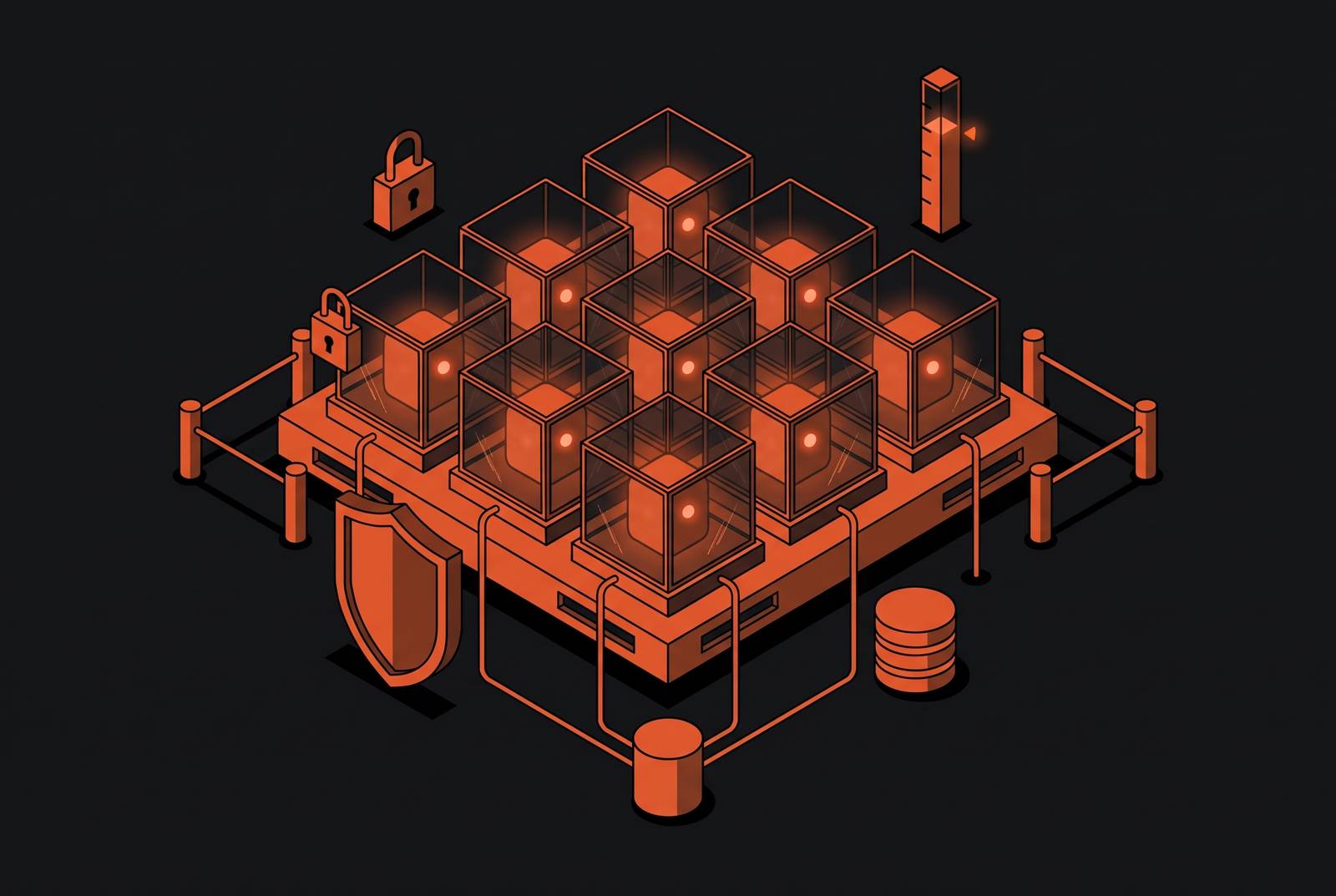
To run Claude Code in the cloud without managing infrastructure, engineering teams should choose a managed platform that guarantees isolated application environments, on-demand parallelism, reviewable agent work, workflow integration, portability, and security by default. The buying decision should turn on demonstrated behavior.
Why managed Claude Code platforms vary so much in what they actually guarantee
Managed Claude Code platforms now tend to advertise the same capabilities, but their defaults vary widely and are rarely made clear upfront. Two services can run the same agent harness but give it different environments, permissions, and ways to get human review. A buyer comparing “cloud Claude Code” is therefore comparing operating models, even when the interfaces appear interchangeable.
That distinction changes how a platform should be evaluated. A feature label establishes that a capability exists, but it does not establish the conditions under which it works. “Parallel sessions,” for example, says little about shared state or capacity constraints. Buyers need concrete questions about guarantees because the category sells on features but fails on operational gaps.
Environment isolation: what “each task gets its own environment” actually requires
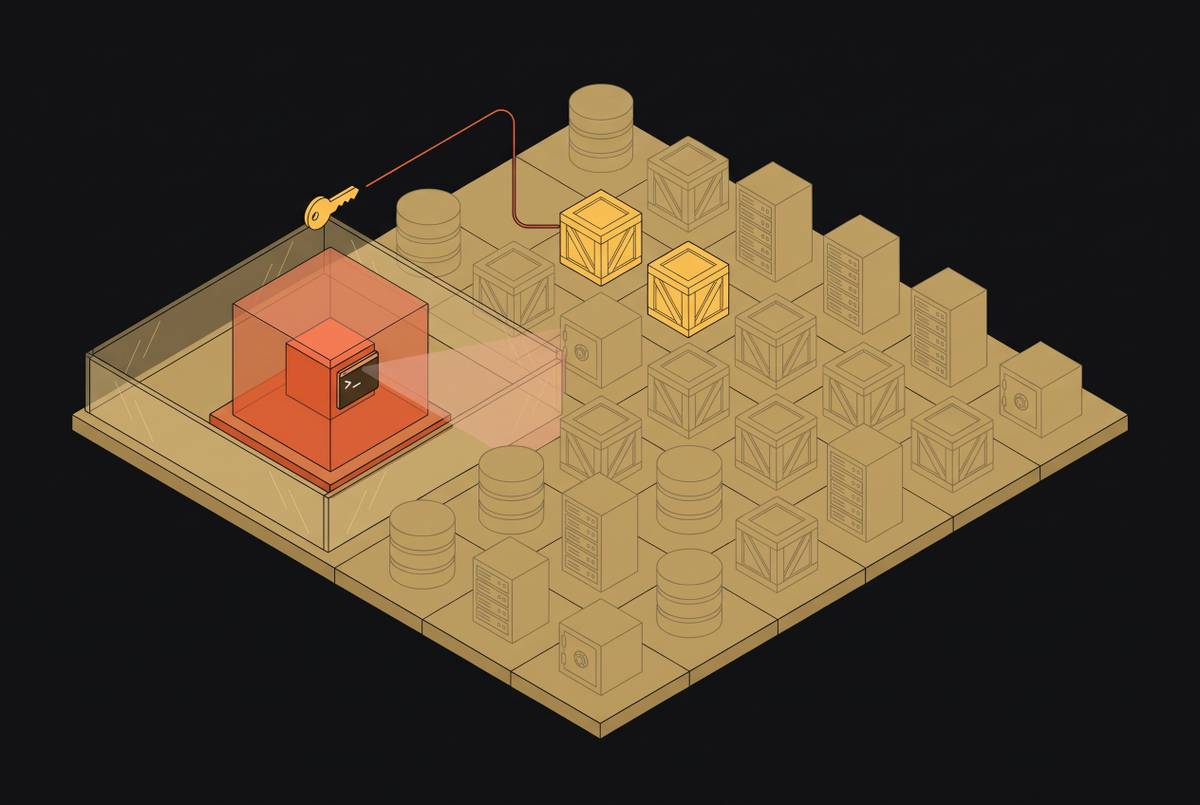
An isolated environment must contain the application stack needed to run and test changes. That includes the running services, databases, and ports on which the application depends. A clone alone is not a working application. When a platform captures the full environment, the agent can start, run, and test the application as a developer would. When it supplies only source files in a generic base image, the agent must reconstruct the stack before those checks become possible.
The distinction affects both safety and reproducibility. Without the application stack, an agent cannot run integration tests, see runtime effects, or catch the regressions those checks would find. A claim about isolated sessions therefore needs two separate answers, namely what each session contains and what it can reach. Repository separation alone answers neither question.
Claude Code’s platforms documentation describes self-hosted environments for Team and Enterprise, in public beta, that run sessions on the organization’s own servers. That option supports access to internal databases and services unavailable on the internet, but placement inside a company network is not itself a guarantee of task isolation. Access still needs an explicit boundary. Giving an agent broad permissions on a machine that holds only what its task needs is very different from giving it access to production credentials, shared services, or another engineer’s workspace.
Parallelism — how do teams run many cloud agents without environments colliding?
If each task needs its own environment, concurrent tasks need those environments at the same time. Engineers running several agents apiece can require tens to hundreds of isolated environments simultaneously. The platform becomes the gating constraint. Parallelism only helps as intended when the environment model can meet that demand without manual provisioning or collisions in ports and file state.
A platform may set up separate sessions that still draw from a shared rate limit pool. Environment count alone therefore cannot establish usable concurrency. The operational guarantee must distinguish on-demand capacity from tier-based caps and explain how concurrent sessions share model access.
CI failures, Sentry alerts, and Linear issue creation can trigger tasks when no engineer is at the keyboard, so automated runs need the same isolated environments as interactive sessions. Automation is a separate capacity requirement. Claude Code’s platforms documentation describes scheduled tasks, GitHub Actions, GitLab CI/CD, and Slack-triggered sessions as separate ways to start work. A managed platform should make clear which of these paths can provision environments without human intervention.
Auditability: what a reviewable pull request requires from the platform
Once agents can work concurrently, review becomes the next constraint. A pull request shows what changed, but the diff alone does not show what the agent did to reach that result. Review needs evidence beyond the final code. The minimum guarantee should be a branch and draft pull request for every run, with required human review and a protected main branch. Agents may investigate and propose, but merging to a protected branch must require human approval.
Coinbase’s use of coding agents, which write most of its merged pull requests, shows why teams need audit tooling when they use agents at scale. The structural requirement is more important than the output metric. Reviewers need evidence of what ran, which tests passed, and how the application behaved. Screenshots, session recordings, and demo videos can provide runtime evidence that a static diff cannot, particularly for changes to interfaces, test behavior, or data pipelines.
Claude Code’s hooks system provides lifecycle points at which teams can run custom scripts, including session start and end, permission requests, subagent and task events, and worktree events. Those hooks provide a mechanism for an audit trail, while whether the managed platform records and exports one remains unguaranteed. The distinction needs to remain explicit. Automated review can check more by looking at diffs, recent error history for files that changed, and feature flags before posting a summary. It adds to human review while keeping the approval gate in place.
Integration depth: starting from where engineering work already lives
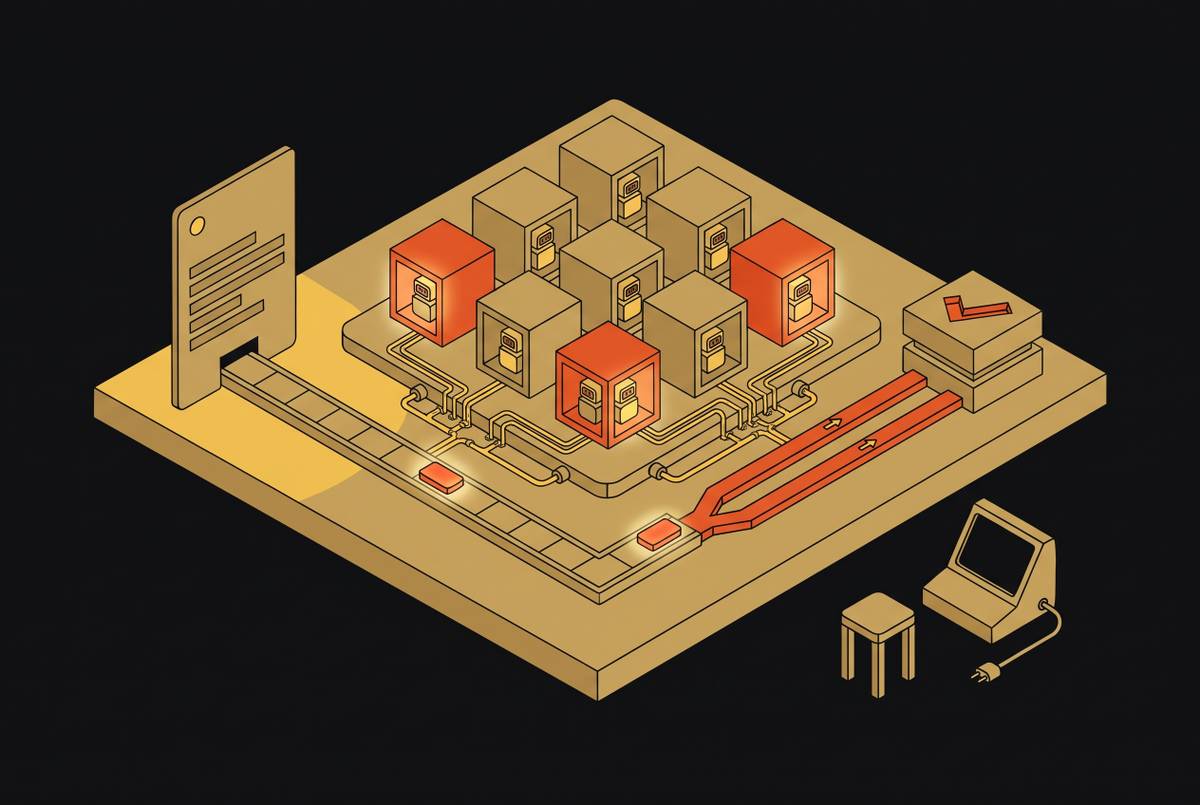
The review path is only useful if work can enter it from the places engineers already use. A platform that requires a separate dashboard for every task introduces another interface between an issue and its resolution. Adoption depends on that entry point. Slack mentions, Linear issues, CI events, schedules, and webhooks should be able to initiate agent work without forcing the team to relocate its workflow.
Claude Code’s platforms documentation shows how Slack sessions respond to @Claude mentions and turn bug reports into pull requests. The same documentation describes GitHub Actions and GitLab CI/CD for automated work, as well as scheduled tasks for recurring automation. A first-class integration must connect the initiating event to agent work and its review path, rather than merely announce that something happened elsewhere.
MCP servers extend that reach to tools such as Linear, Notion, Google Drive, and internal APIs without requiring a first-party connector for each. Codex’s documented triage workflow requires explicit user approval before posting to Slack, creating Linear issues, or commenting on GitHub. That example makes the integration requirement concrete. Bidirectional access and approval gates belong in the design, while identity handling must be clear enough for buyers to distinguish an existing team identity from a separate bot account.
Portability: switching agents and models without changing how the team works
Once triggers, environments, and review paths are established, they should not depend on a permanent choice of agent. Claude Code, Codex, Cursor, and OpenCode share much of the same feature set, including subagents, hooks, MCP, and parallel runs. The workflow should outlast the chosen harness. A managed platform earns its role by allowing that harness to change without forcing the team to rebuild its operating process.
Model access introduces a separate source of lock-in. Bring-your-own-model-account pricing keeps model costs with the team’s subscriptions and API keys, so the platform has less of a financial reason to favor one harness. Reselling model usage creates the opposite incentive. Pricing is therefore a structural signal of portability, although it does not prove technical interchangeability. The platform must also support changing the model backend without reconfiguring integrations.
For regulated teams, that flexibility can be something they need to deploy the product, beyond what they prefer when buying it. Workloads may need to run through Amazon Bedrock to meet FedRAMP requirements, or through a specific cloud region for data residency, while true air-gap requirements may call for local models. Configuration ownership creates another test. Environment setup, resume scripts, and service files committed to the repository survive a platform change. The same configuration stored only in the platform’s database does not give the team that portable foundation.
Security and governance controls that must be defaults, not add-on tiers
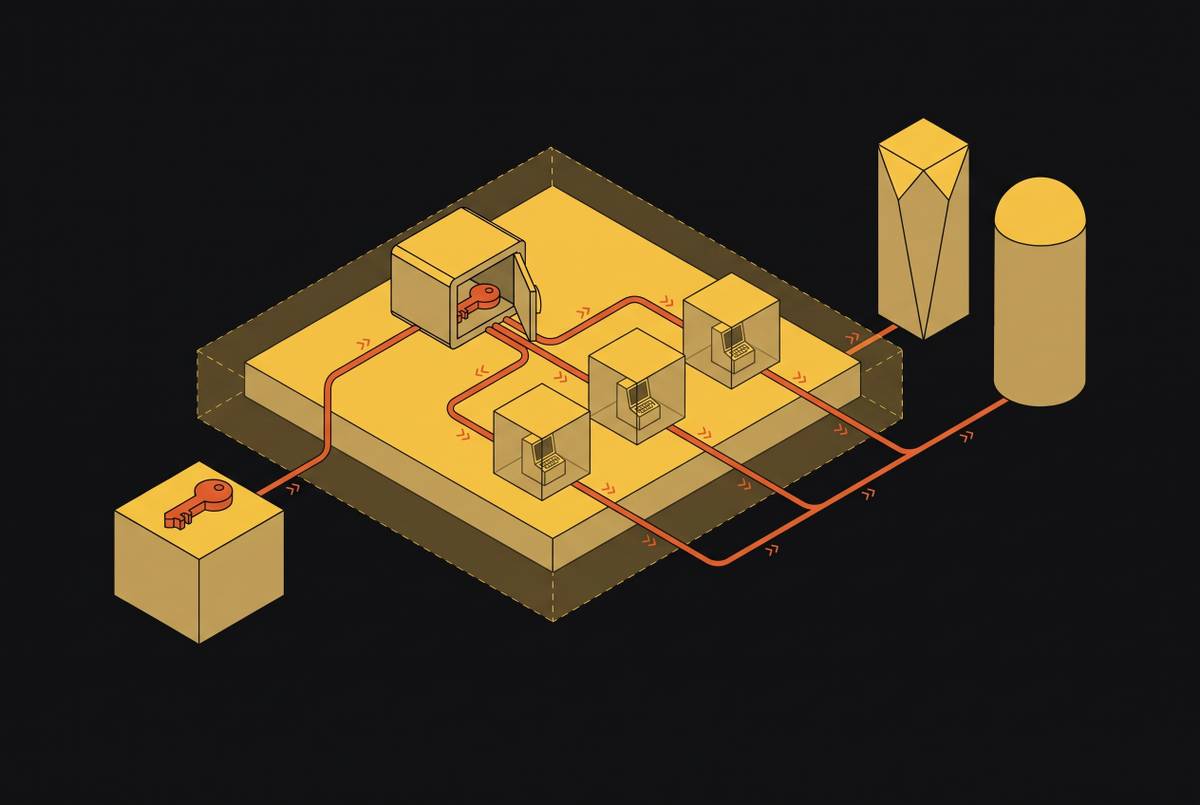
An agent should receive the credentials its task requires, scoped to that environment, rather than broad access to production systems or other engineers’ secrets. Enforcement belongs to the platform. A separate workspace offers limited protection if its credentials or network access cross the boundary that workspace is supposed to establish.
Identity controls should follow the policies the organization already has. SSO/SAML integration with providers such as Okta, Azure AD, and Google Workspace, SCIM provisioning, and role-based access control should be platform defaults. MFA requirements, conditional access, and session lifetimes should inherit from those policies. These controls should not await a services engagement. Making them dependent on another contract or tier introduces a gap between deploying the platform and governing its use.
The defaults for audit export and retention must be just as clear. Security teams need lifecycle coverage that can reach their own observability stack or SIEM. Retention is a distinct exposure. For sensitive codebases, zero data retention should apply by default rather than require a separately negotiated agreement covering prompts, completions, and attachments after session close. Reviewable operational records and retained confidential session content are different questions that the vendor must answer separately.
Self-hosting should be a configuration choice within the same product when data-sovereignty requirements demand execution inside the organization’s network or cloud account. It should not require a new procurement process. Claude Code’s documented public beta establishes a self-hosted option for Team and Enterprise, but buyers still need to establish the terms of the managed product they are evaluating. Availability of an execution option does not, by itself, establish the surrounding identity, retention, or credential guarantees.
Applying the checklist: what to ask before signing with any managed platform
A vendor evaluation should require demonstrations of all six guarantees, because strength in one does not establish strength in another. The questions should address the tier and defaults the team will actually use. A polished demonstration is not the operating contract. For isolation, does each task receive the full application stack, including services and databases, or only a repository clone? Can the agent start and test the application, and what systems or workspaces can it reach?
For parallelism, does capacity scale on demand without manual provisioning? Can schedules, CI events, and Sentry alerts start isolated environments in the same way that interactive sessions do? Do concurrent runs share a rate limit pool? For auditability, does every run produce a reviewable draft pull request with evidence of what ran and which tests passed? Are lifecycle events exportable, and is human approval mandatory before merging to a protected branch?
Integration and portability need a joint demonstration because switching agents should not break the workflow that starts their tasks. Can work begin from Slack, Linear, GitHub, GitLab, and CI without a new dashboard? Are those integrations bidirectional, with approval gates, or limited to notifications? Then the vendor should demonstrate the proposed switch. Can one task use Claude Code and another Codex with the same triggers and environment setup? Can the backend change to Bedrock or Vertex, and do model costs remain with the team’s own accounts without a platform markup?
Are SSO, SCIM, audit exports, and self-hosting available at the evaluated tier without a custom contract? Does zero data retention apply by default, and does the platform enforce credential scopes for each environment? As the category matures, teams that establish these expectations now will be better placed to change agents, models, or platforms without inheriting a workflow they cannot move.