Cloud Platforms Scored on the Full Loop From Agent Task Intake to Pull Request Delivery
Five agent platforms are scored on six pre-merge stages, from intake to review.
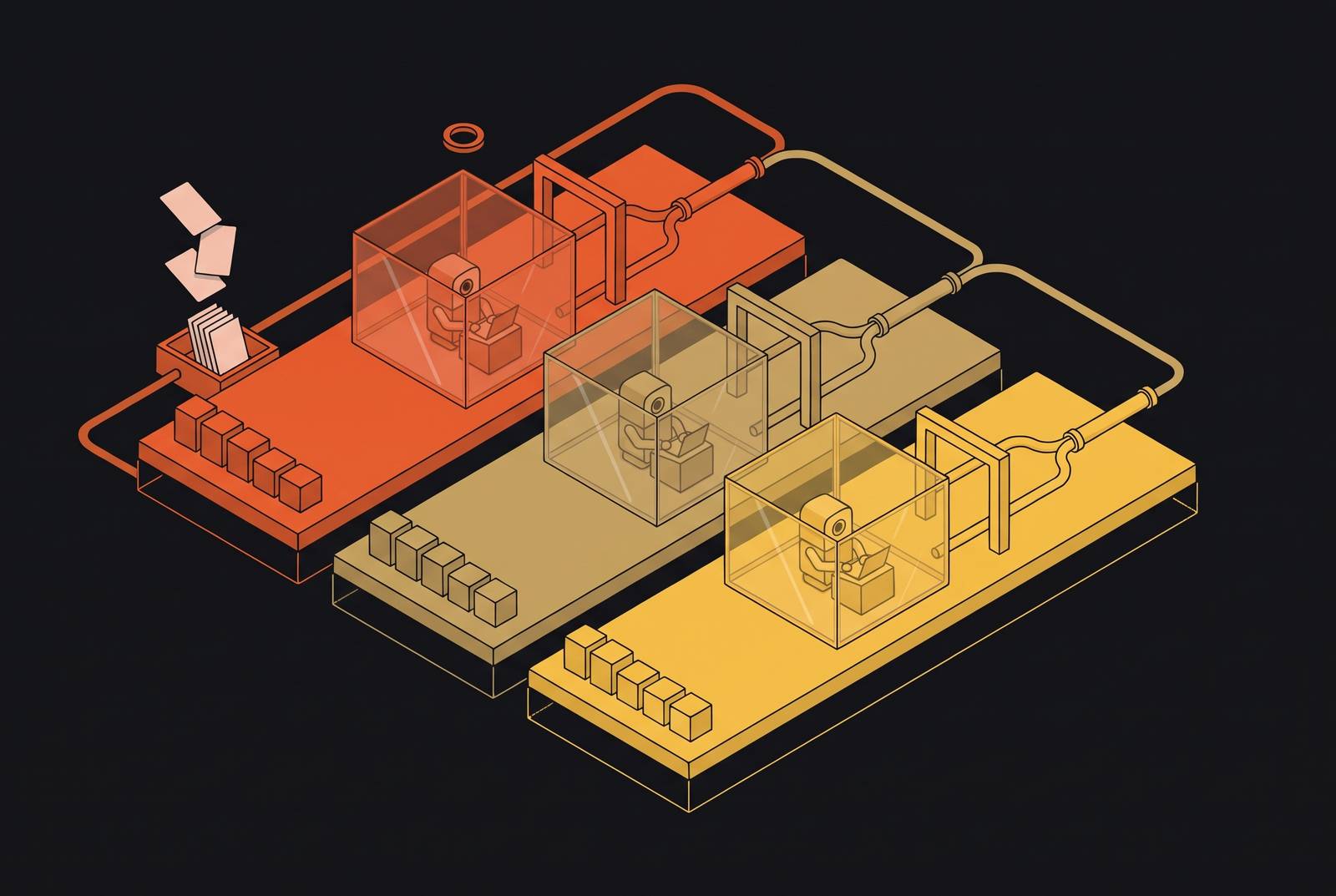
To run Claude Code in the cloud without managing infrastructure, Claude Code Cloud Routines provide managed VM execution with triggers from engineering tools, schedules, and API calls. Among the platforms compared here, Claude Code has the broadest documented coverage from intake through review-comment response. The useful comparison is not which agent writes code fastest, but which platform completes all six pre-merge stages under the conditions a team’s workload requires.
The six stages that define a closed loop from task intake to PR delivery
The scoring rubric has six stages, namely task intake and triggering, environment provisioning, autonomous code work, test execution and self-verification, pull request creation, and review-comment response. Each stage has a distinct completion condition. Accepting a task does not establish that its environment will run, and opening a pull request does not establish that the agent can address feedback. Coverage therefore requires a product to complete the handoffs between stages as well as offer the features for each one.
The loop ends before the merge decision. GitHub Copilot, Devin, Claude Code, Sentry Seer, and Datadog Bits Code route output through human approval before code reaches production. As of July 2026, all six stages are reliably autonomous for well-scoped tasks, but that reliability depends on environment quality, parallelism, trigger flexibility, and review-loop closure. Those conditions form the basis for the comparisons below.
The platforms being scored and what each one actually is
The five platforms take different architectural approaches to delegation. GitHub Copilot cloud agent places the workflow inside GitHub, while OpenAI Codex runs delegated work in a cloud sandbox reached through ChatGPT and other interfaces. Claude Code runs work in the cloud, uses Cloud Routines to trigger it, and has native sub-agents that work in parallel. Cursor provisions an isolated cloud VM for each Background Agent and supports model-agnostic parallel work.
Devin, from Cognition, organizes a well-scoped request into investigation, planning, implementation, testing, and pull-request creation within a managed cloud session. Its enterprise record includes documented merged PRs at Goldman Sachs, Santander, and Nubank. OpenCode belongs in a different category from these platforms. It is a supported agent CLI on multiple cloud platforms, but the supplied material does not establish a standalone cloud-native product. It is an agent runtime.
Stage one scored: which platforms accept tasks from where work already lives
Intake scores well when teams can trigger tasks where they already do their engineering work. Claude Code Cloud Routines accept tasks from Slack, Linear, GitHub events, the terminal, the browser, the mobile app, and a schedule or API call. This is the broadest documented intake surface in the comparison. Cursor also connects to Slack, Linear, and GitHub, while Copilot’s GitHub-native intake fits teams whose work is already concentrated there. That same focus makes it a poorer fit when teams assign tasks elsewhere.
Codex spans ChatGPT web, desktop, and mobile apps, GitHub issues through @codex mentions, Slack for Enterprise, the CLI, and IDE extensions. Its reach is broad, but ChatGPT remains a separate front door for teams that track work in engineering systems. Devin takes requests through Slack, Teams, its web application, and its API. Its terminal product supports local quick fixes with a handoff to cloud Devin rather than serving as the primary cloud intake channel.
A long integration list is useful only when it includes the place where a team assigns and refines tasks. For a GitHub-centered team, Copilot’s narrower surface can be a close fit.
Stage two scored: environment provisioning and what happens when setup fails
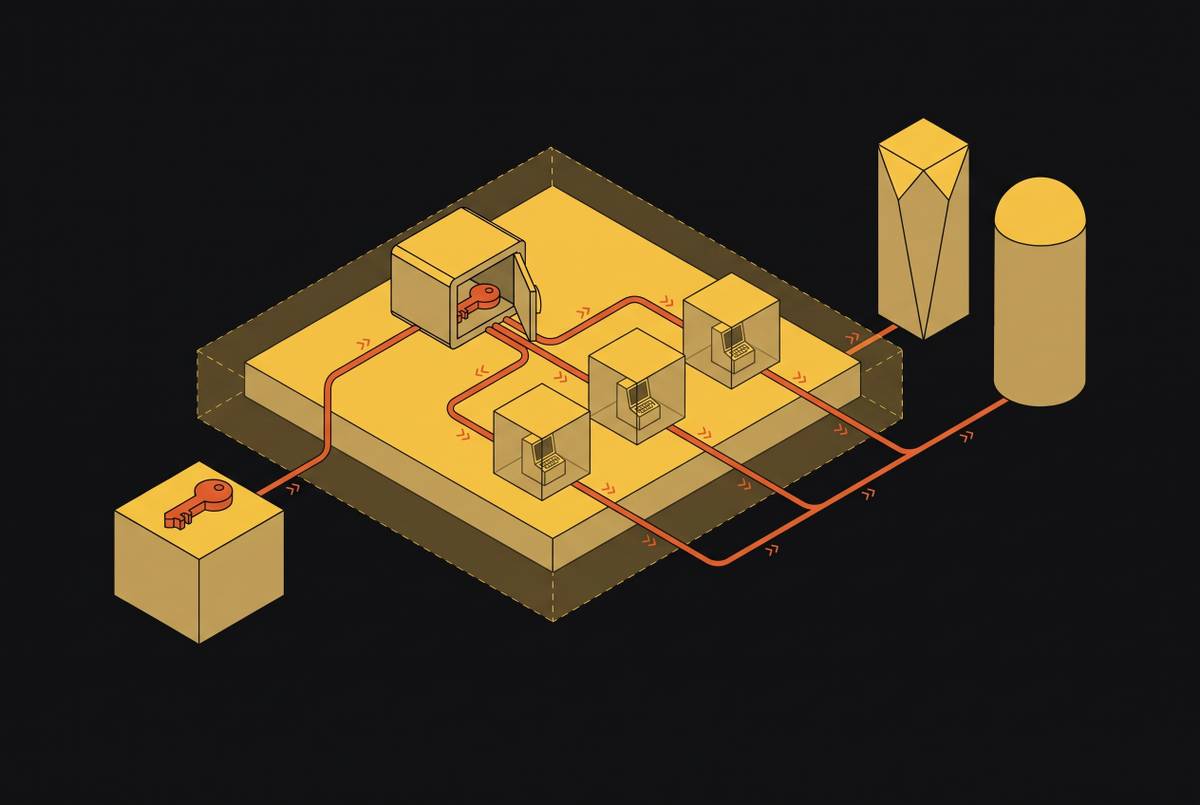
The agent needs provisioning that supports executable feedback. If it cannot install packages, start the database, or run tests, every later stage operates with less evidence. Claude Code provides fresh Ubuntu VMs with caching, while Codex clones the repository at task submission into a network-isolated sandbox. OpenAI’s documentation separates setup, which can access the network to install dependencies, from the agent phase, which runs offline by default. Internet access can be turned on for each environment, so teams need to check the configuration before making external service calls because unrestricted access is not a given.
Cursor provisions an isolated VM per Background Agent. The supplied material gives no session time cap, but token-based cost means provisioning can get costly if it takes a long time. Devin’s provisioning model is the least transparent documented area of its coverage.
The setup script is as consequential as the VM. A repository guide explaining how the project is built, tested, and structured gives an asynchronous agent the context needed to use that environment. The available detail does not show whether all five platforms recover equally well when setup fails. A hard time limit or opaque provisioning model therefore narrows the tasks that can run reliably.
Stage three scored: autonomous code work across files and how far each platform actually goes
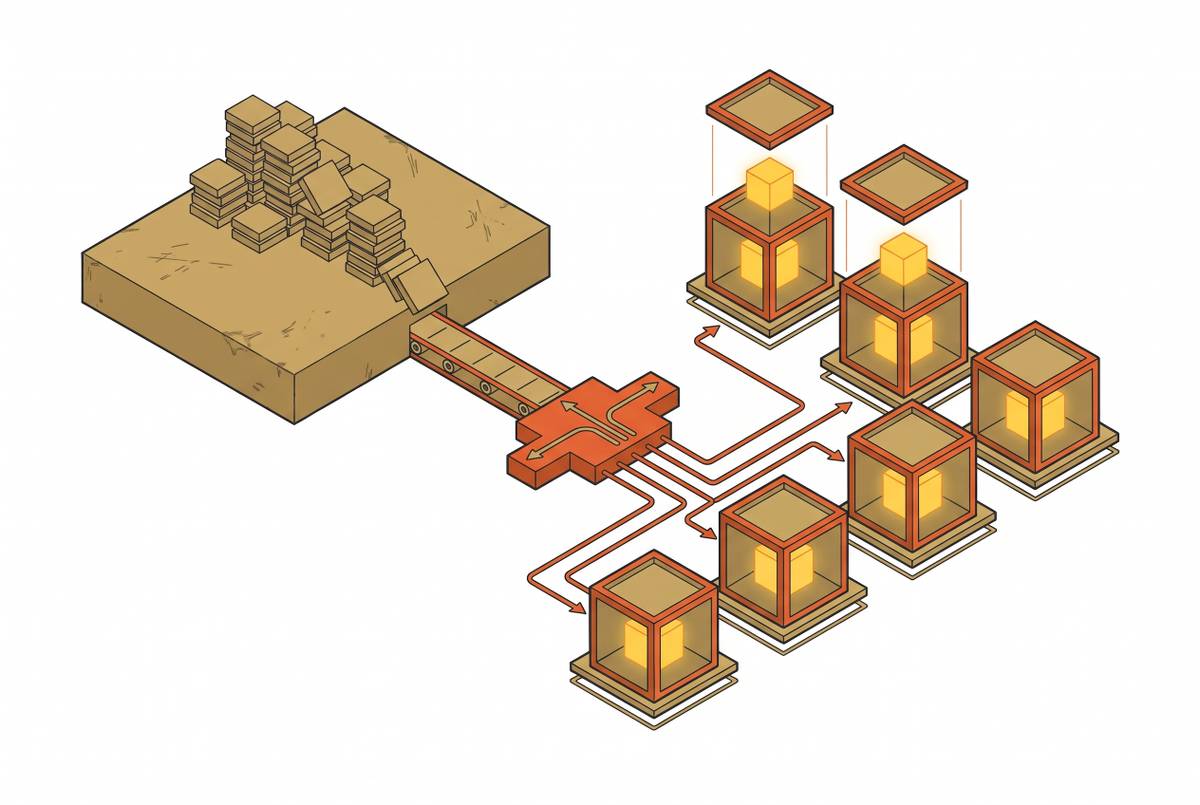
Multi-file autonomous editing is reliably available across all five platforms as of July 2026. The distinction is how they organize the work. Claude Code shipped native parallel sub-agents in Opus 4.8, so a lead agent can split work among sub-agents. Cursor supports 8 parallel agents and a model-agnostic approach, while Copilot’s execution is serial. These approaches differ in how they coordinate work and the throughput they achieve when generating a diff.
Devin handles a well-scoped request in a single managed session and is especially strong at investigation and planning. Cognition’s November 2025 performance review describes it as “senior-level at codebase understanding but junior at execution”. Codex uses test iteration as it works across files, so its verification loop is part of how it carries out the work.
Shared files, dependencies, processes, caches, or task histories can create conflicts, while per-task environments isolate runtime state. Isolation does not replace branch coordination, scoped credentials, CI, or human review. Model benchmark scores cannot settle these questions about how platforms are built, and production review before merge is still needed whatever the benchmark result.
Stage four scored: test execution, self-verification, and what agents do when CI fails
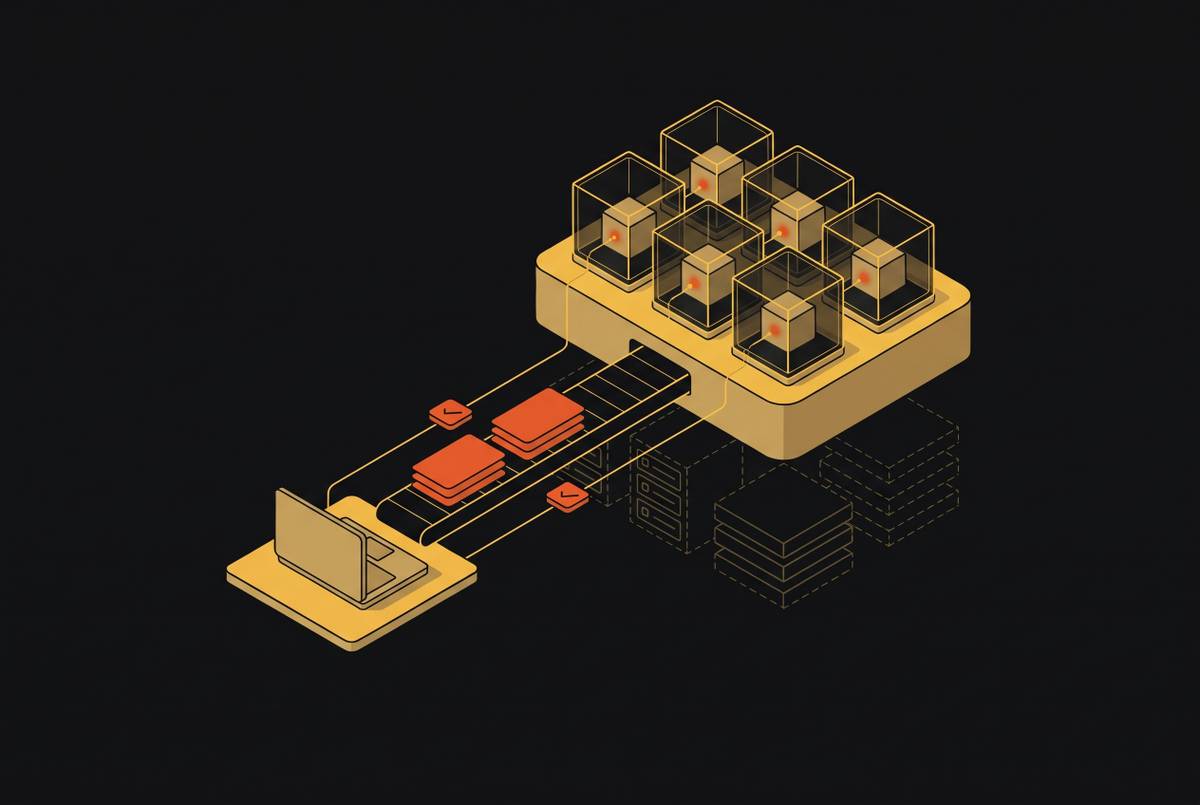
Executable feedback separates a reviewable change from a plausible-looking diff. An agent with a real test suite can compare its edits against project behavior and iterate before delivery. Claude Code runs commands and tests inside its VM and uses the results to revise its work. The Government of Alberta used Claude Code to review systems, find vulnerabilities, and fix them, providing a production use case for this kind of work. Codex likewise performs test iteration before returning its changes and results.
The test suite remains the team’s responsibility. A platform can make the full suite available inside its sandbox, but model capability cannot replace missing verification signals. Lint and type checks offer narrower evidence than tests that exercise the application. The documentation supplied here supports test-and-revise workflows, but it does not establish that every platform automatically reacts to every later CI failure. Those are separate capabilities and should not receive the same score by implication.
Review tooling also has a transition in progress. Sentry’s documentation states that Seer Code Review is deprecated and will be removed on December 8, 2026. Its replacement, AI Code Review, reviews code changes on GitHub and another code-hosting platform, predicting errors and offering suggestions before merging. For teams using Seer Code Review, that transition changes the review component while preserving the need for executable tests within the agent’s workflow.
Stage five scored: pull request creation and what a reviewable artifact actually requires
All the platforms compared here open pull requests. The quality of that artifact varies, however, because a clear diff, a written explanation of what changed and why, and CI status give reviewers different kinds of evidence. Codex opens PRs with changes and results after completing its test loop. In the cloud workflow described here, the PR is its output surface rather than an interactive session the reviewer can fall back on. Claude Code and Cursor open PRs on a branch, with written summaries as a standard part of the artifact.
Code generation adds more changes to the queue for approval, and those changes still need human review before merge. A summary and test evidence reduce the work needed to understand each proposal.
OpenAI’s hosted security agent launched at a developer event on September 29, 2026. It builds a threat model, scans the codebase or each new commit, reproduces vulnerabilities in a throwaway sandbox, and returns a proposed patch as a draft pull request. The artifact includes a different kind of verification basis because the task is vulnerability remediation.
Stage six scored: review-comment response and which platforms actually close the loop
Review-comment response is the decisive final handoff. A platform closes this stage when it can address feedback asynchronously without requiring an engineer to reopen a session. Copilot supports review-comment response within its GitHub-centered workflow. Claude Code uses GitHub-event-triggered Cloud Routines, while Devin includes review-comment response in its documented 2026 workflow and names Devin Review as a capability.
Codex instead requires manual re-submission to address reviewer feedback. Cursor’s review-comment re-triggering is not established in the supplied material, so its score here remains unresolved. Producing the first proposal and revising it after review are different responsibilities.
That boundary determines what happens to the review bottleneck. When a platform stops at PR creation, complex tasks return both assessment and the work of driving revisions to the engineer. As agent-generated PR volume grows, automatic first drafts alone can increase that burden.
Where each platform closes the loop and where it leaves gaps
Copilot’s coverage follows its GitHub-centered architecture. Intake, PR creation, and review response fit together closely, but GitHub-centric triggering, serial execution, and the 59-minute limit for Actions sessions constrain the workload. Codex has a different profile, combining isolated provisioning, multi-file work, test iteration, and PR delivery. Its weaker handoffs are workflow fit at intake and manual re-submission after review.
Claude Code has the broadest documented coverage across the six stages. Its triggers, cached VM provisioning, parallel sub-agents, test loop, PR output, and event-triggered review response connect the full pre-merge sequence. That breadth does not exempt it from the environment and verification requirements that determine reliability for every platform.
Cursor emphasizes parallel throughput and model choice. Its Slack, Linear, and GitHub intake supports that execution model, while token-based cost exposure and unresolved review re-triggering leave separate evaluation questions. Devin emphasizes managed-session ownership, planning, PR delivery, and review response, with enterprise merges demonstrating delivered work. The documentation says least about how its provisioning works, and it is less consistent at complex execution than at codebase understanding.
This is a coverage map. Each profile exposes a predictable point where the team may need to supply configuration, oversight, or another handoff.
How to run Claude Code or other coding agents in the cloud for a specific workload
Platform selection follows from the stage that constrains the workload. For teams that run many tasks in parallel through Slack and Linear, Claude Code’s broad range of triggers and native sub-agents cover the most stages. Cursor’s 8-parallel-agent model is a strong alternative when model choice is a priority. For teams seeking test-driven self-verification and comfortable submitting work through ChatGPT, Codex’s isolated sandbox and test-iteration loop fit that profile.
Devin’s managed-session approach fits requests that have clear acceptance criteria and can move through investigation, implementation, testing, and PR delivery as one assignment. A team constrained by review response needs to weigh that final stage more heavily than raw parallel capacity. Otherwise, writing code faster can leave more work waiting for review.
Teams should set approval policy stage by stage. All of these comparisons concern a pre-merge loop. Merge and deployment have a high blast radius, so people should keep explicit control over both, whichever platform the team chooses. Human approval at that boundary is the right operational design.