Handing Off Agentic Coding Tasks to the Cloud Without Owning the Runtime Stack
Cloud-hosted coding agents remove ops work but not review duty.
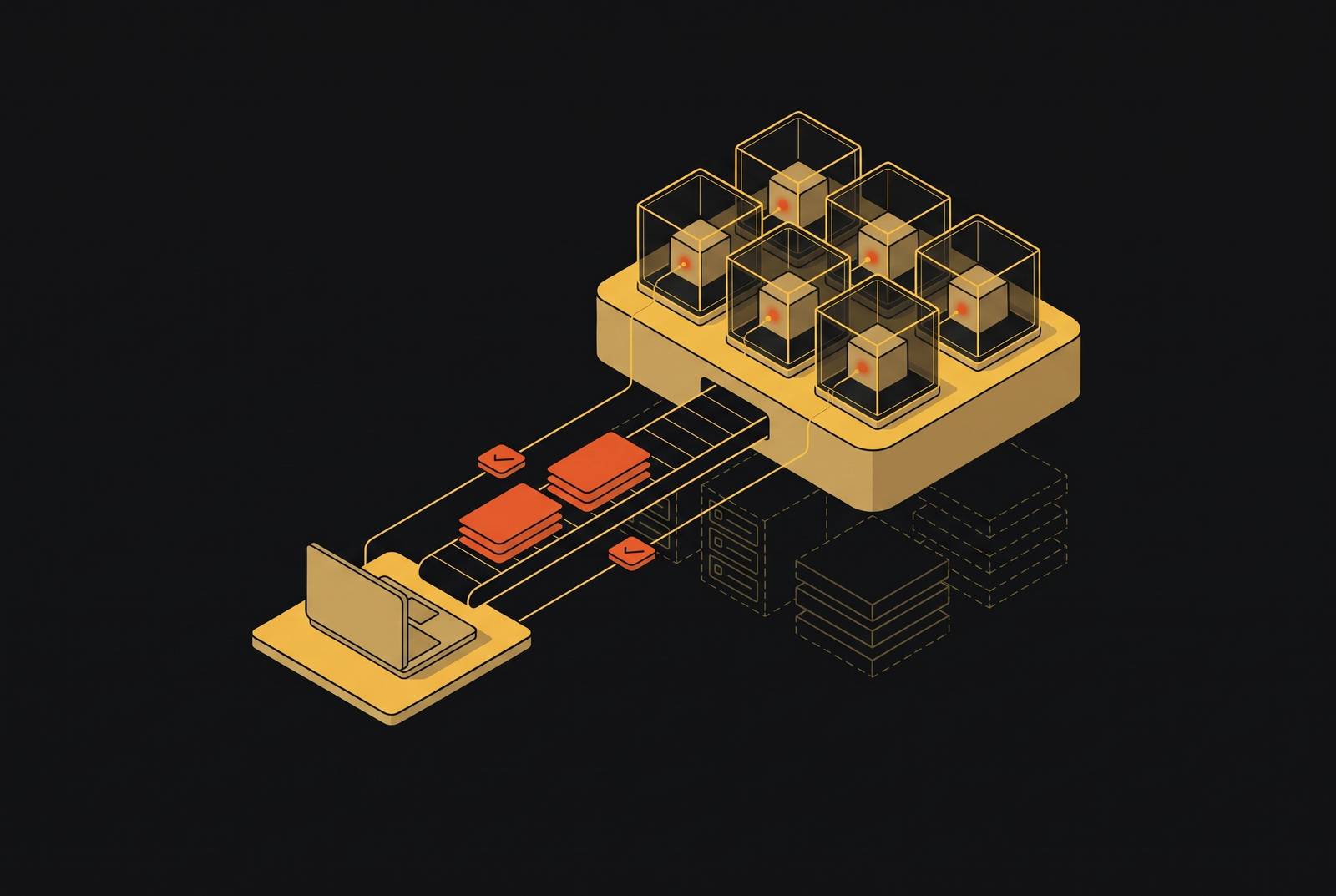
To run Claude Code in the cloud without managing infrastructure, teams can use Anthropic’s vendor-managed cloud sessions or a cloud platform that hosts the agent in an isolated VM. Delegating the runtime removes machine operations while leaving engineering responsibility with the team. The safe hand-off depends on knowing what the agent can access, how engineers follow its work, and which checks stand between its pull request and a merge.
Why engineering teams are delegating agentic coding work to the cloud in 2026
An agent clones the repository, implements a change, runs tests, iterates on failures, and opens a pull request while the engineer is elsewhere. Coding agents in 2026 also write documentation and find their way through complex codebases, so they do more than suggest lines in an editor. The defining change is persistence: a cloud session keeps running after the developer closes the terminal or laptop.
Because the session keeps running, engineers can hand off work that takes a long time. It also shifts the engineer’s role from writing every line toward orchestrating tasks across agents. Once execution moves off the laptop, repository access, credentials, environment configuration, and review capacity become decisions about a remote system. The benefit depends on understanding that boundary before work starts.
What "not owning the runtime stack" actually means in practice
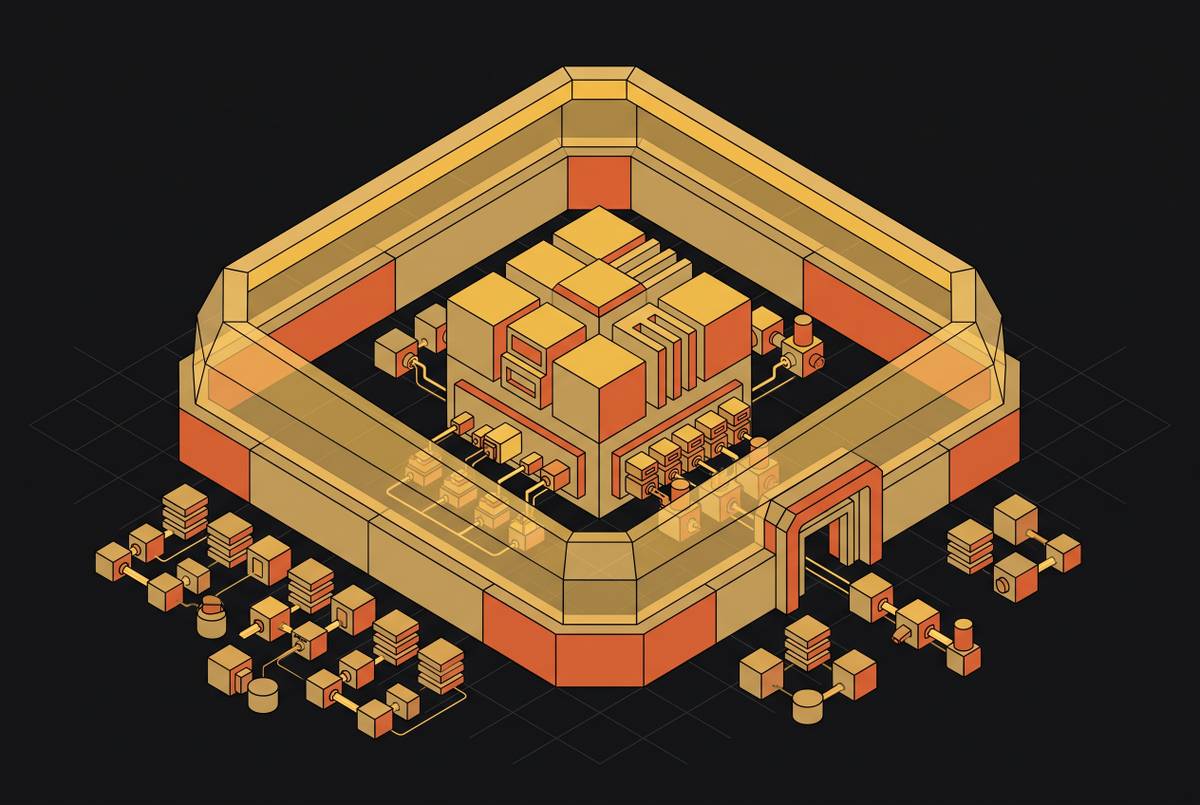
Not owning the runtime means the vendor operates the VM, toolchain environment, network policy, and teardown schedule. The team supplies the prompt, repository connection, and environment variables, then receives the pull request. Some services expose configuration for network access or setup scripts, but those controls do not transfer ownership of the underlying machinery. Configuration is not the same as operation. The vendor still determines which runtime settings are available and how the environment is managed.
With a rented VM, the team remains responsible for setting up and operating the environment in which the agent works. With a vendor-managed session, that operational layer belongs to the service, while responsibility for accepting the code remains with the team. The pull request is the hand-off point.
Before delegating, an engineering lead therefore needs answers to three questions, namely what the agent can access, what the vendor retains, and who is responsible when something goes wrong in the VM. A service can remove infrastructure work without removing decisions about secrets, data retention, or merge authority.
How do the main options run Claude Code and other agents in the cloud?
The useful comparison starts with who provisions the environment, who controls its contents, and what the team can configure. The agent harness alone does not answer those questions. Two services that run coding agents can give teams different ways to set up dependencies, keep task files, or pay for the work to run. Those differences shape which work can be handed off.
Anthropic’s Claude Code cloud sessions reached GA in September 2026 and are included in Claude Pro, Max, and Team plans. Each session runs in a fresh Ubuntu 24.04 VM on x86_64, with the GitHub repository, common toolchains, Docker, PostgreSQL, and Redis. Teams configure environment variables, a network access level, and a setup script whose installed files are cached for about seven days. Usage counts against the existing plan’s token limits. No extra compute charge applies.
OpenAI’s Codex cloud is included in ChatGPT Plus at $20/month. Codex inspects repositories, installs dependencies and tools, and tests the workflow before the team publishes the environment. Each task retains its files, including uncommitted changes, recoverable for up to seven days. That is a different retention detail from Claude Code’s setup-file cache. Neither should be treated as a general statement about everything a vendor retains.
Both options remove the need to provision a VM directly, but their environment preparation and recovery mechanisms differ. For evaluation, the relevant question is whether those mechanisms fit the task. A repository-based implementation job and work that depends on an existing running application do not necessarily need the same starting environment.
What the team actually controls when the runtime belongs to the vendor
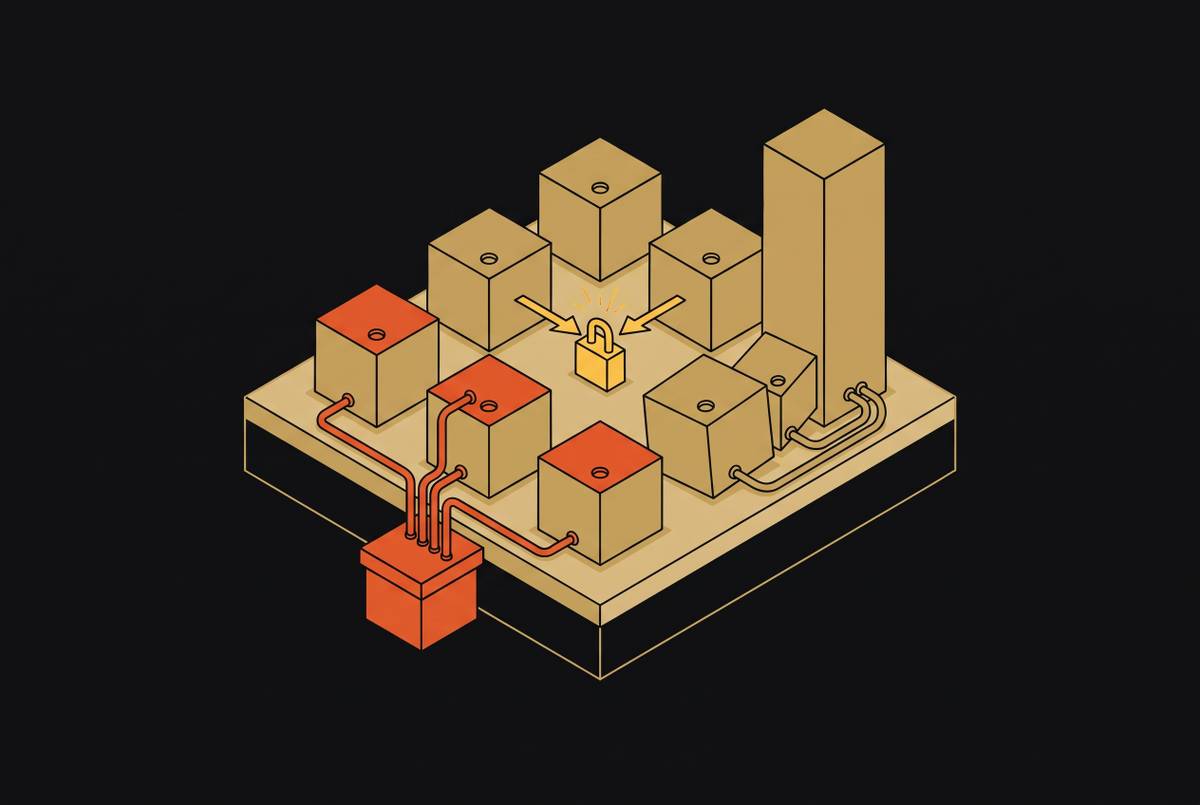
Teams retain four important controls even when the vendor manages the VM. They determine what the agent may read and write, which credentials it can use, what must be reviewed before merge, and when work runs.
Teams should look closely at repository permissions because an integration may ask for more access than its immediate action uses. Claude Code cloud’s GitHub App requests read/write access to code, pull requests, and issues, as well as Actions, Checks, Discussions, Repository hooks, and Workflows, among other permissions. The action itself relies on the first three. Teams should audit the full permission set and restrict installation to only the repositories the agent needs.
Credentials cross the same boundary as the task. Environment variables and network secrets supplied to a cloud session travel to vendor infrastructure. For sensitive keys, teams should use short-lived tokens scoped to the task in place of long-lived service account credentials. Those credentials limit what the agent can do, whatever the prompt says.
The final control is acceptance of the change. Cloud agents hand back their work as pull requests, which go through human review, CI checks, and branch protection rules. Weakening branch protection to increase throughput removes the mechanism that makes delegation controlled. Without those checks, code that compiles can still break domain rules, and tests that pass can still cover only happy paths.
Staying connected to agent work through the tools teams already use
Remote execution creates a practical visibility problem for engineers. They need to know what an agent is doing, whether it is stuck, and when its work is ready. A separate dashboard is not enough if engineers do not consistently visit it. Starting and following work through existing tools makes delegation sustainable beyond occasional experiments.
Codex supports @ChatGPT mentions in Slack and Microsoft Teams in Enterprise workspaces with Cloud delegation enabled. These integrations put task initiation inside existing conversations and repository activity. The pull request then becomes the natural completion update, with a place to comment, return the work for changes, or merge it.
Issue trackers provide another entry point into that workflow. Linear’s integration directory includes GitHub Copilot for turning issues into code and Sentry’s Seer agent for resolving issues. Sentry integrates with GitHub, GitLab, Jira, Slack, Linear, PagerDuty, OpsGenie, and Microsoft Teams. Its two-way sync lets engineers identify and triage issues without leaving their existing workflow.
The 3 AM alert pattern shows how these pieces can connect. A transfer failure raises an error in Sentry, the alert reaches Slack, and an agent session starts automatically. The agent reads Sentry, queries Datadog over MCP, writes a fix, runs the test suite, adds missing tests, and opens a PR. The engineer has a proposed fix waiting in the morning. That is a reviewable response to an incident that remains subject to the checks required before deployment.
How parallel agent runs change the cost and review calculus
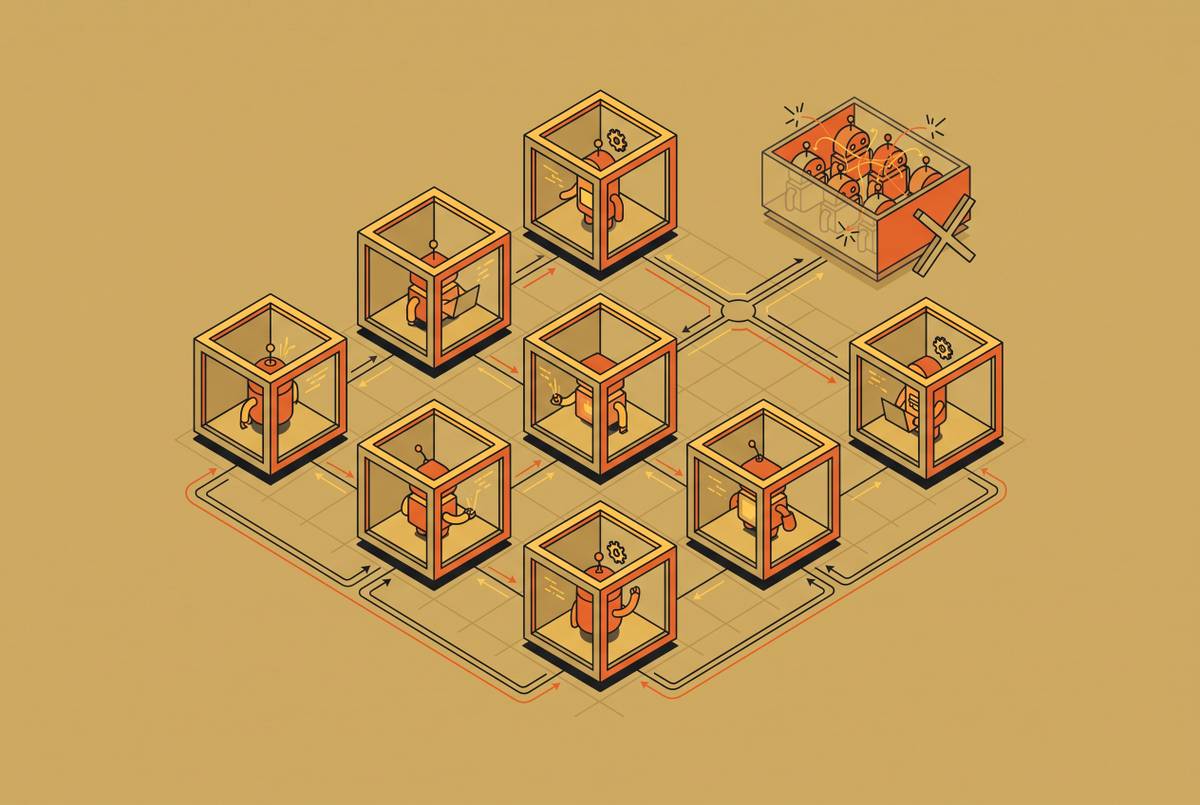
Parallel sessions multiply code output, but they do not automatically shorten delivery time. The bottleneck can move from authoring to review. When agents generate pull requests faster than engineers can assess them, the review queue absorbs the apparent productivity gain.
Cloudflare’s multi-agent review architecture illustrates one structural response. It deploys up to seven specialized review agents focused on security, performance, code quality, documentation, release management, and compliance, with a coordinator deduplicating findings. The coordinator posts one clean comment rather than requiring every reviewer agent to have write access. This separates analysis from publication.
Parallelism also changes the cost exposure of delegation. Uncontrolled concurrent sessions can accumulate charges quickly, particularly where third-party model usage is billed at API list price on top of a platform fee, as with Cursor’s Premium tier and above. Claude Code has no separate compute charge, but its plan token limits still apply. The billing mechanism differs, but uncontrolled work still consumes a finite budget.
The practical controls are concurrency caps, spend caps, and task-level budgets. The Claude Agent SDK documents subagent depth of 3, concurrency of 20, and spend caps from specific SDK versions onward. Hosted services may expose different settings from these SDK controls. A team’s parallel-run plan needs to fit both its actual spending controls and its capacity to review the resulting work.
What the enterprise security checklist looks like for vendor-managed runtimes
Enterprise approval depends on more than the agent’s implementation quality. The recurring requirements include SOC 2 Type II certification, SAML SSO, granular admin controls, and deployment options that keep code out of vendor training sets. These are concrete procurement and policy questions. They make the decision assessable rather than an open-ended objection to cloud execution.
The enterprise capabilities described as of mid-2026 differ by platform. Codex offers SOC 2 Type II, SSO, audit logs, OS-level sandboxed execution, and MCP support. Cursor offers SOC 2 Type II, SSO, Enterprise audit logs, Cloud Agent sandboxing, and MCP support. Devin offers SOC 2 Type II, SSO, audit logs, and sandboxed execution. These features meet different needs, so teams still need to check how access is managed and execution is isolated even when a platform has certification.
The required tier can change the purchasing decision. SCIM provisioning, audit log export, and self-hosting capability are commonly absent from lower tiers and available only at Enterprise. Teams evaluating cost should therefore account for whether their required controls need an enterprise contract. A lower entry price is not the relevant comparison if that tier cannot pass approval.
Policy must also assign responsibility before agents receive access. Someone must decide which repositories are available, who reviews generated pull requests, and who is accountable when an agent-written change causes a production incident. Product features do not settle those assignments. A multi-harness platform with isolated VMs, model credentials supplied by the team, and central repository access controls can help teams handle both lock-in and governance, because they can switch harnesses while keeping the same security policy.
Deciding which hand-off model fits a given team's situation
The choice turns on four conditions. The first is whether the agent needs only a repository or a copy of an actual running environment. The others are whether credentials and harnesses must be portable, which audit and isolation controls compliance requires, and whether work starts from events or human requests. These conditions narrow the field before model preference does.
For repository-only tasks, Claude Code cloud sessions or Codex cloud make it easy to start without adding infrastructure. That fit depends on the chosen plan satisfying the team’s compliance requirements, including any required SOC 2 Type II and SSO coverage. Where the task instead needs a machine with the app already running, including real databases, services, and ports, Boxes.dev provisions full environment copies per task.
For teams using several harnesses, the stronger fit is a multi-harness cloud platform that isolates each agent in its own VM and returns reviewable pull requests. This architecture also suits teams that want to switch harnesses without rebuilding Slack, Linear, and GitHub integrations. If governance requires SCIM, audit log export, or self-hosting, those controls must be included in the product.
A rented Linux VM with tmux remains viable for an individual engineer or a very small team comfortable with manual setup. A modest instance costs roughly a few tens of dollars per month plus token charges, but that approach does not scale to team-level governance, parallelism, or integration. It also leaves runtime operation with the team.
Across these models, the acceptance boundary remains the pull request. CI runs on that PR, human review assesses the change, and branch protection rules apply before merge. The cloud hand-off changes where and how the agent works up to that gate, which remains unchanged.