Agent Environment Parity With Local Developer Machines
Reproducing your developer's setup is essential for cloud coding agents to work reliably.
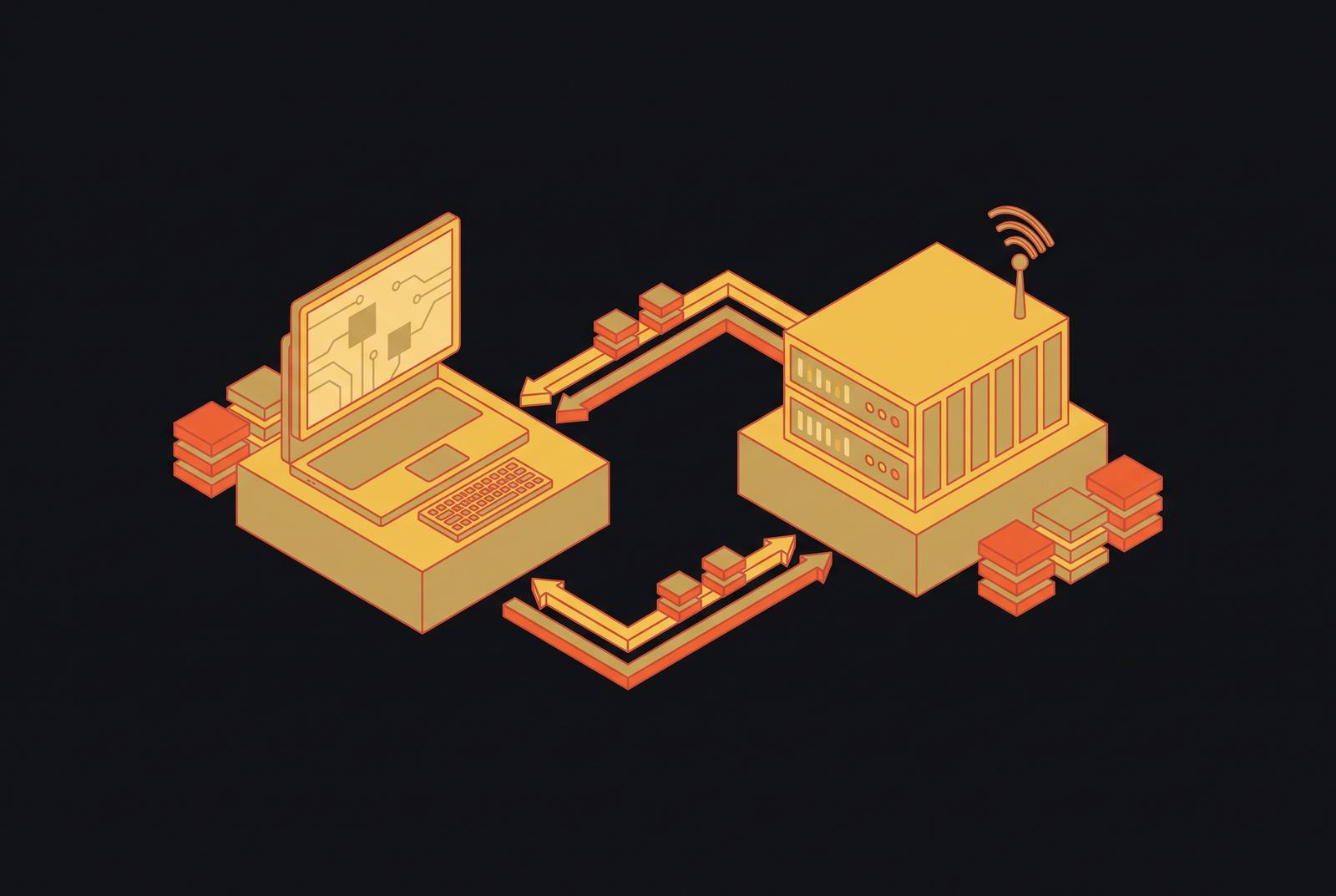
A bring-your-own API key cloud coding agent runner needs more than a model credential. To run Claude Code or Codex reliably in the cloud, it must reproduce the network access, services, dependencies, credentials, and working state available on a developer’s machine. Agent environment parity is an infrastructure problem and the precondition for judging what an agent can actually do.
Why a local machine is a fully assembled environment, not just a computer
A developer sits down, opens a terminal, and starts an agent. The VPN is connected, the database is running, and the language runtime is installed. API keys and tokens are available through the shell or keychain. The filesystem contains real files, active branches, and git history. The agent inherits an environment someone else has already set up for work.
That inheritance makes local execution deceptively simple. Internal services are reachable because the developer already arranged access. Builds run because the required packages and tools are present. Platforms like Replicas deliberately reproduce that assembly in the cloud by pre-configuring isolated VMs with a team’s codebase, dependencies, and tooling. The local equivalent accumulated through the developer’s work, so some of an agent’s apparent competence belongs to infrastructure that was never explicitly prepared for it.
What stops working the moment the agent moves off the local machine
Moving the agent elsewhere takes away what it inherits from that machine. Without VPN access, internal APIs, private services, and package mirrors become unreachable. Without a running Postgres or Redis instance, the application has no database to test against, so migrations and integration tests cannot provide the same validation. Without credentials, the agent cannot push to a private repository, make authenticated API calls, or reach secrets stores. These are distinct failures, even when all appear to the user as an agent that cannot finish.
Dependencies introduce another chain of failures. A clean environment must install packages before it can run a basic build, adding latency before useful work begins. If those packages come from an unreachable internal registry, installation itself fails. An ephemeral environment without captured state also forces the agent to start from scratch after reconnecting. Vendor cloud environments contain only what the team explicitly configures, including any private services and local databases a developer takes for granted.
A README cannot supply the authority or connectivity that these operations require. Setup instructions can work for toy repositories, but they cannot substitute for access to internal dependencies, private services, or non-public credentials. Keeping everything on laptops has its own limits because agents stop when a machine sleeps or leaves the network. When work is spread across laptops, there is also no complete shared record of what the agents do.
The five layers that define environment parity
Environment parity is a diagnostic framework with five independently addressable layers. Compute and isolation give each agent its own execution environment. Without that boundary, file writes, port bindings, and running processes can get in the way of another session.
Network access lets the agent reach the internal services and private networks available to the developer. Without it, correct code can still be impossible to build or test against the systems it depends on.
Dependencies and tooling supply the required language runtimes, package versions, build tools, and internal packages. Without matching versions, tests can pass in the agent’s environment and fail in CI.
Credentials and secrets authorize access to private repositories, APIs, and other protected resources. Without them, network reachability stops at the authentication boundary.
State and persistence preserve repository state, installed dependencies, and running services across a disconnect or long pause. An isolated-VM platform built for this work, including Replicas, must cover all five layers together. Separating them remains useful because a cloud agent that fails where a local agent succeeds may be missing only one or two.
How each parity layer is actually built in a cloud agent environment
Compute parity begins with a dedicated VM for each agent run. Each session needs OS-level isolation so that its processes, files, and port bindings cannot affect another session. Firecracker, AWS’s open-source microVM technology, does this by running a Linux kernel for each sandbox, with a minimal device model that makes the attack surface smaller. Git worktrees address a narrower concern by giving sessions separate working trees and branches. They separate code changes, but they do not replace the VM boundary around processes and services.
Network parity requires private networking inside the agent’s environment. Joining the VM to the network used by internal services is a VPC/subnet configuration decision. If those services are not on a reachable cloud network, a VPN tunnel into the environment is the fallback. In either case, the network connection must be in place before the agent starts. Otherwise, the agent cannot install dependencies or reach services, so it gets stuck before it can work on the task.
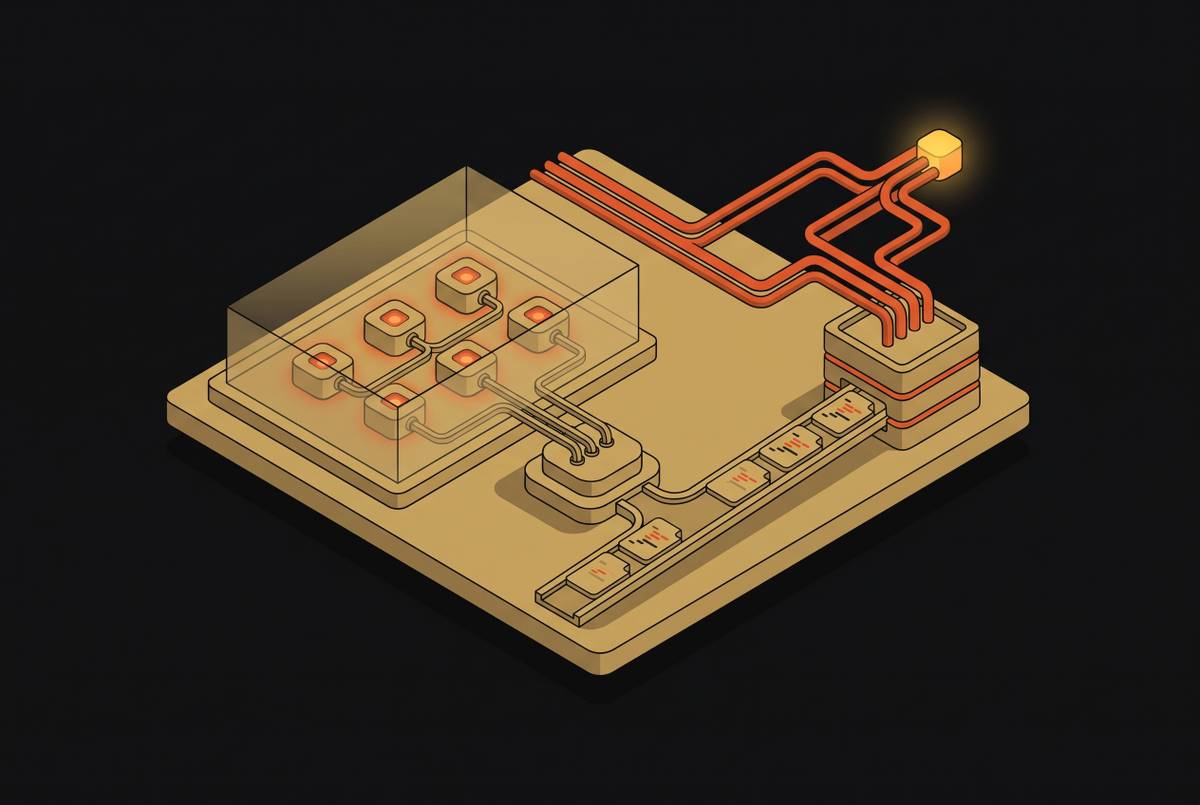
Dependencies and tooling belong in golden snapshots that bake the organization’s packages into a pre-built image. This moves repeated installation out of session startup and into image preparation. Session snapshots capture task-specific state, including a cloned repository, a built dev server, and configured environment variables. Keep-alive VMs then stay warm between messages so that the next prompt reaches a running environment.
Credentials require runtime injection through a secrets manager or environment variables, never embedding in an image or repository. Their scope also matters because an agent working on one service should not receive credentials for another. Least-privilege access limits the blast radius if the agent misbehaves. For a bring-your-own API key runner, the supplied model credential is therefore part of this layer alongside the other credentials the task needs.
Persistence uses persistent volumes and session snapshots to preserve work across interruptions. The appropriate lifecycle depends on the workload rather than a blanket preference for keeping everything alive. In CI/CD, ephemeral environments for each PR can keep state from bleeding between runs and leave a clean audit trail. Interactive, long-running work instead needs continuity across messages and pauses. Building all five layers together separates a functioning cloud agent environment from one that works only until it encounters a missing dependency.
Why sandboxing posture is a parity decision, not just a security setting
A sandbox defines the ceiling of what an agent can do. If it blocks behavior required for the task, matching dependencies and credentials will not restore parity. As part of their work, a developer may install packages, start services, bind ports, or drive a browser. An agent needs room to perform those same operations when the task requires them. Isolation policy is therefore part of environment design during setup.
Harnesses approach that boundary differently. Claude Code makes sandboxing opt-in through Seatbelt on macOS or Bubblewrap + socat on Linux. OpenAI Codex CLI enables sandboxing by default through bubblewrap and seccomp on Linux, with Landlock as a legacy fallback. Those stricter defaults may need changes when a task has to run services or bind ports. The restrictions must preserve the capabilities needed to complete and verify the work.
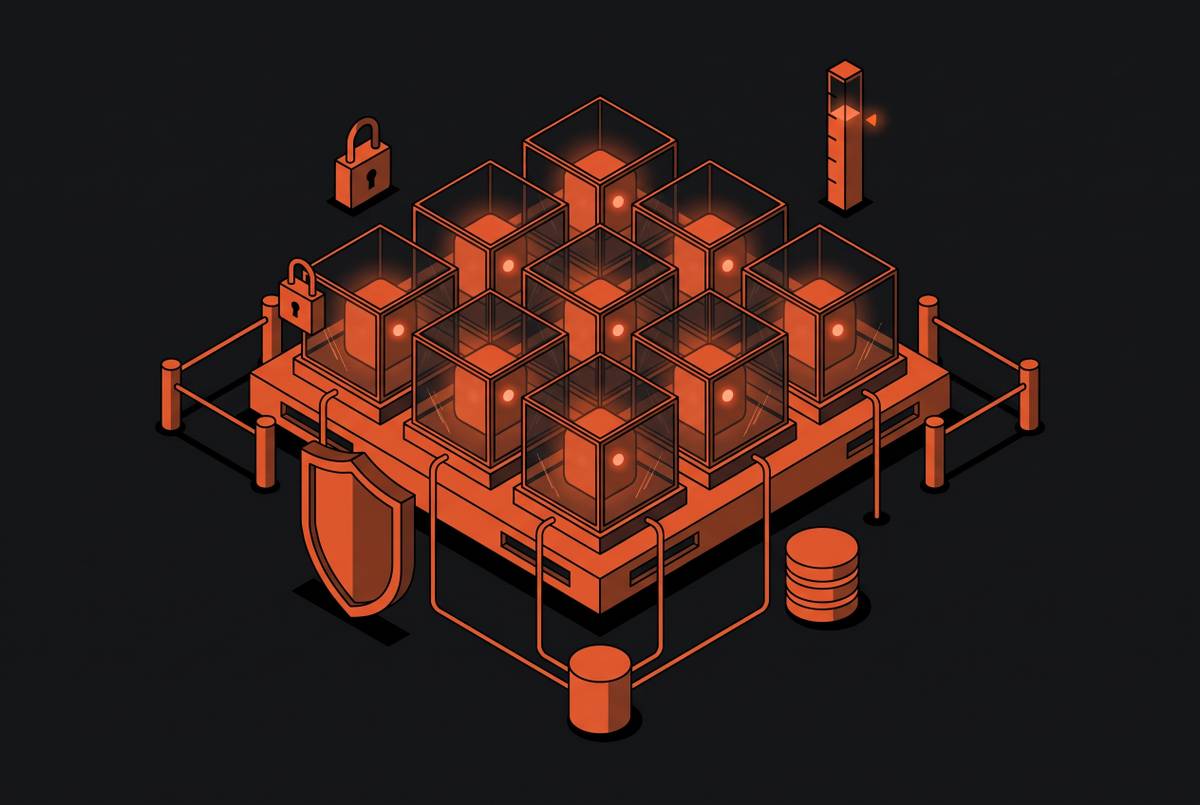
A fully open sandbox permits local-like behavior but removes the safety boundary. A fully locked sandbox can prevent the very operations that make an agent useful. VM-level isolation resolves that tension by giving the agent broad permissions inside its own environment while separating it from other agents and production systems. The boundary can remain firm around the workspace without restricting every action within it. That distinction becomes especially important when several agents run at once.
Where shared hosts fit — and what they cannot replace
A dedicated team machine running agents around the clock is a practical middle path. It stays awake when a developer walks away and can carry the VPN access, credentials, and running services the team already uses. Code and credentials remain on hardware the team controls, which can satisfy requirements that vendor clouds do not. For overnight and scheduled workloads, that combination solves real laptop limitations.
Anyone granted access to the host can reach its files, terminals, credentials, and running sessions, so the host should receive only repositories and credentials intended for sharing. Agents working on overlapping files or services can interfere because they share a filesystem and network namespace. Builds and dev servers also compete for the same machine’s capacity. Adding another host gives the team more to run and maintain while agents still lack isolation from each other.
A hybrid arrangement can put short interactive tasks on laptops, scheduled work on a shared host, and tasks that need nothing private in cloud workspaces. That division makes the shared host one part of the system rather than the answer to every workload. It works while the access model and concurrency demands remain manageable. But as more agents and builds run at the same time, resource contention and shared access put limits on what this setup can handle. At that point, cloud environments built for agents have the isolation and capacity to run work in parallel that another shared host cannot supply.
How to run Claude Code or Codex in the cloud without managing your own infrastructure
A purpose-built cloud agent environment supplies the assembled execution environment around the harness that distinguishes it from a cloud IDE or rented server. Each agent receives an isolated Linux VM with the team’s dependencies and tooling already present. Private networking and scoped credentials provide the access its workload requires. Persistent, resumable workspaces preserve the repository, dev server, packages, and environment variables when work pauses.
Replicas is one concrete implementation of this model, with each agent run sandboxed in its own VM and pre-loaded with the team’s tooling and dependencies. Agents can install packages, run services, drive a browser, and check their work without touching another agent’s environment. Its analytics attribute activity to source, harness, model, and credential for every minute an agent runs.
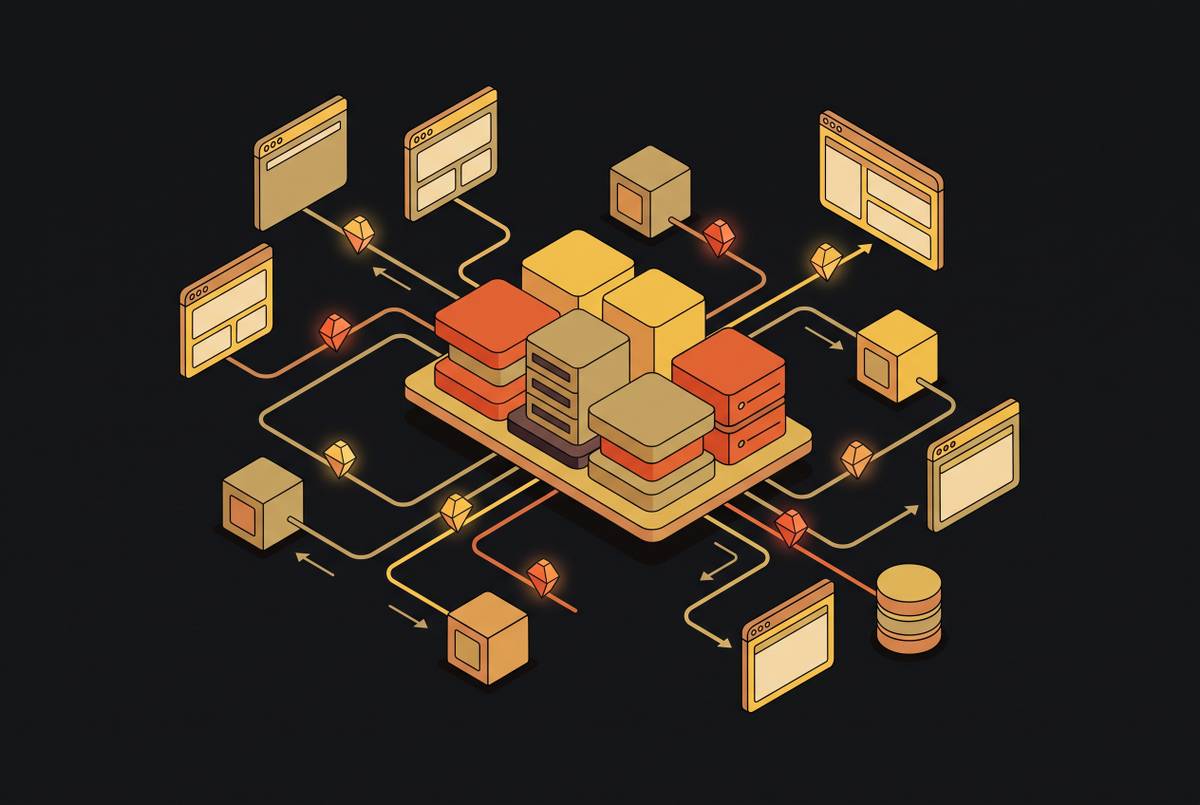
Audit and attribution address the gap created when work is scattered across developers’ machines. A shared execution platform can show what ran, what changed, and what it cost in one record. It can also keep work running while the developer is offline and provide separate environments for parallel sessions. These are capabilities beyond reproducing a single developer’s setup.
Agent-agnostic execution adds another distinction. An isolated-VM environment can run Claude Code, Codex, Cursor, or Opencode without making the harness determine the infrastructure. A model key does not provide private networking, a running database, or persistent state. The runner must address those requirements as well as how the agent authenticates to its model provider.
How environment parity connects to harness choice and agent reliability
Comparing harnesses tells the team something only when the environment lets each agent do what it can. A benchmark earned in a clean, fully configured workspace does not predict performance in an under-provisioned one. Claude Code is terminal-first and can work on its own on complex multi-file tasks, but token drain can cause it to fail on large repositories. Codex is multi-surface and fits existing workflows, but its strict sandbox defaults may need adjustment for local-equivalent service execution.
Cursor is editor-first and has no built-in sandboxing, so its agent executes in the IDE’s process space and leaves environment parity to the team. Opencode supports terminal, desktop, and IDE use, multiple providers, and local models, with configurable tools and permissions. The team also controls how its environment is set up. These differences matter, but they are not interchangeable with model quality. An agent struggling in a poorly provisioned workspace may be exposing an infrastructure gap.
The practical sequence is to build parity first, then evaluate harnesses against real workloads in that environment. That makes failures easier to attribute and comparisons more informative than a public benchmark run in a workspace the team does not control. Keeping execution harness-agnostic also prevents a vendor-specific cloud from deciding the choice in advance. Teams that solve environment parity can make genuine harness choices. Teams that do not are making infrastructure choices they are calling agent choices.